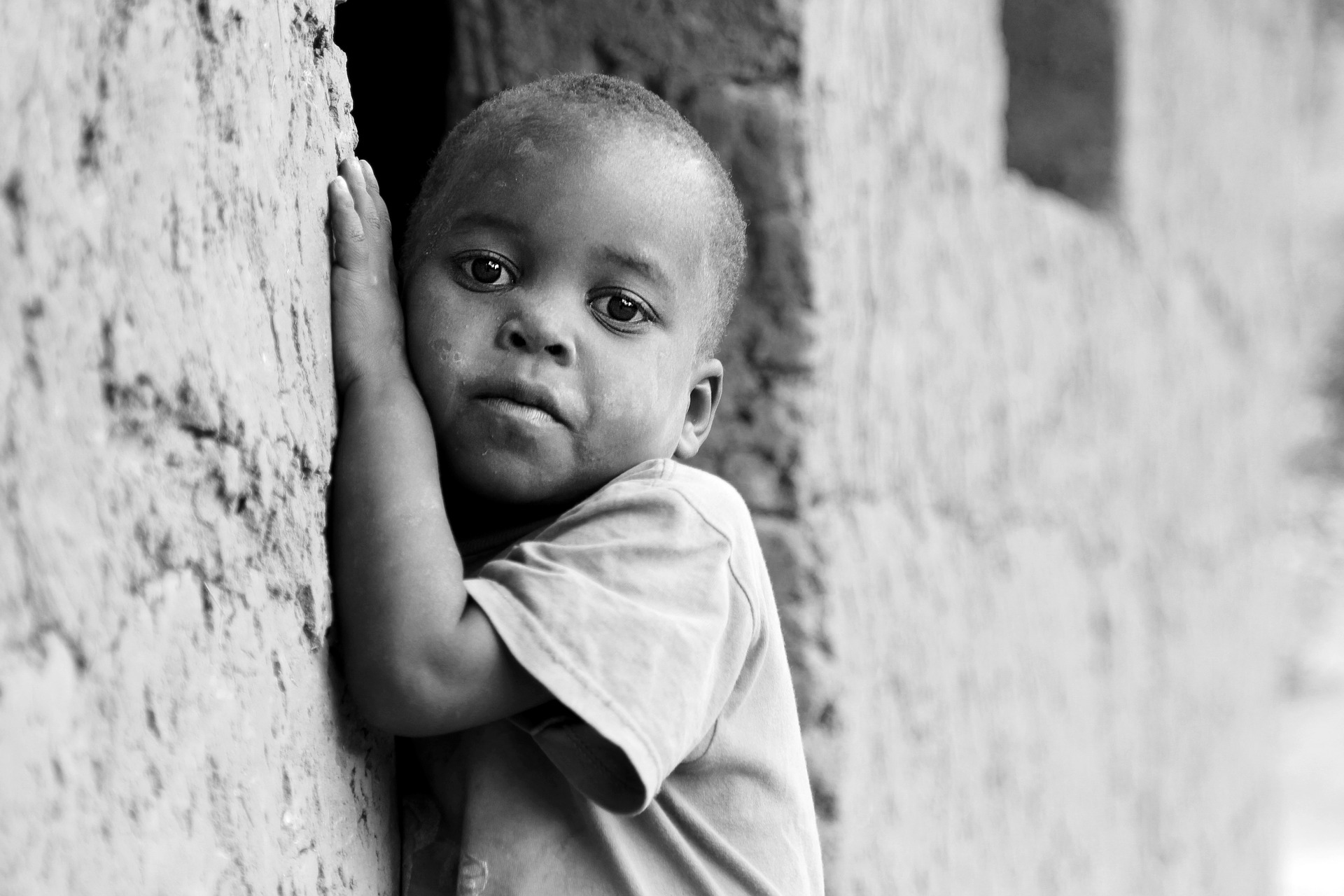
We rehabilitate disabled children, support young mothers living with HIV/AIDS and fistula, and stand with military wives, widows and orphans — restoring dignity, one household at a time.
Explore our outreach work →Support and rehabilitation for children living with disabilities.
Care and awareness for young mothers living with HIV/AIDS.
Restoration and rehabilitation for women with fistula.
Counselling and belonging for military wives, widows and orphans.
Our vision
We envision a world where people with disabilities, HIV/AIDS and fistula, the elderly and orphans are supported — where women and girls are empowered, minorities understand their human rights, and every person is given the chance to live with dignity.
Our mission
To support people with disabilities, HIV/AIDS and fistula, the elderly and orphans — empowering women and girls, educating minorities on their rights, and giving every human being a chance at an empowered life.
What we do
Support the elderly in our communities
Raise awareness of the rights of less privileged people
Support those living with HIV/AIDS and grow public awareness
Provide social education across communities
Assist women with fistula in our communities
Champion respect and co-existence across our communities
Economically empower underprivileged women and children
Secure basic human rights and dignity for the transgender community
Our causes
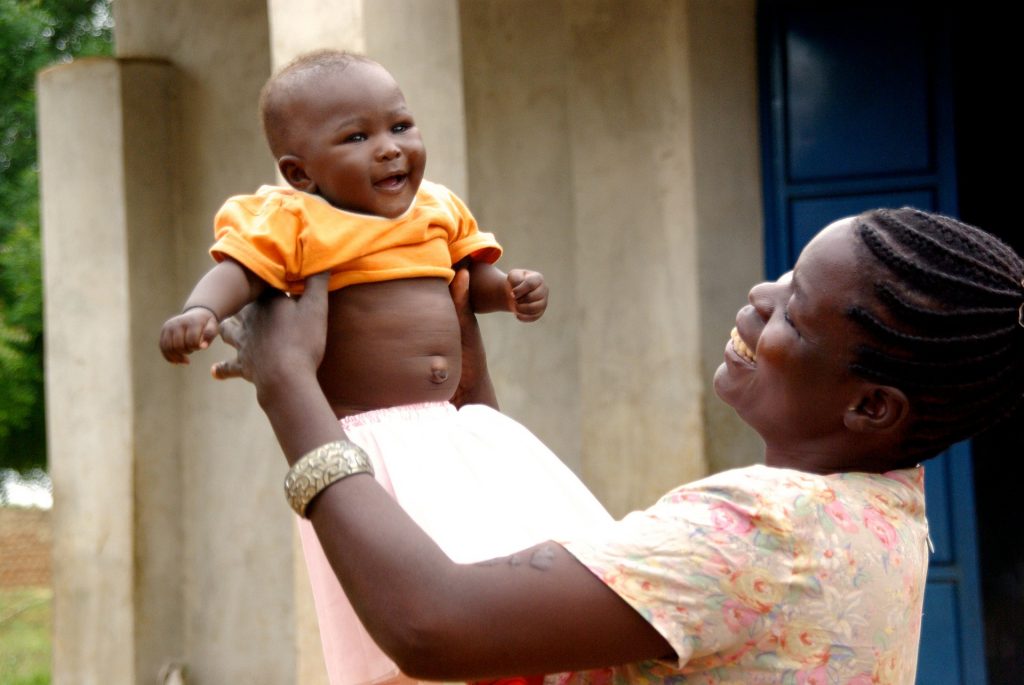
Reassurance, counselling and placement support for the unsung heroes holding families together.
Read more →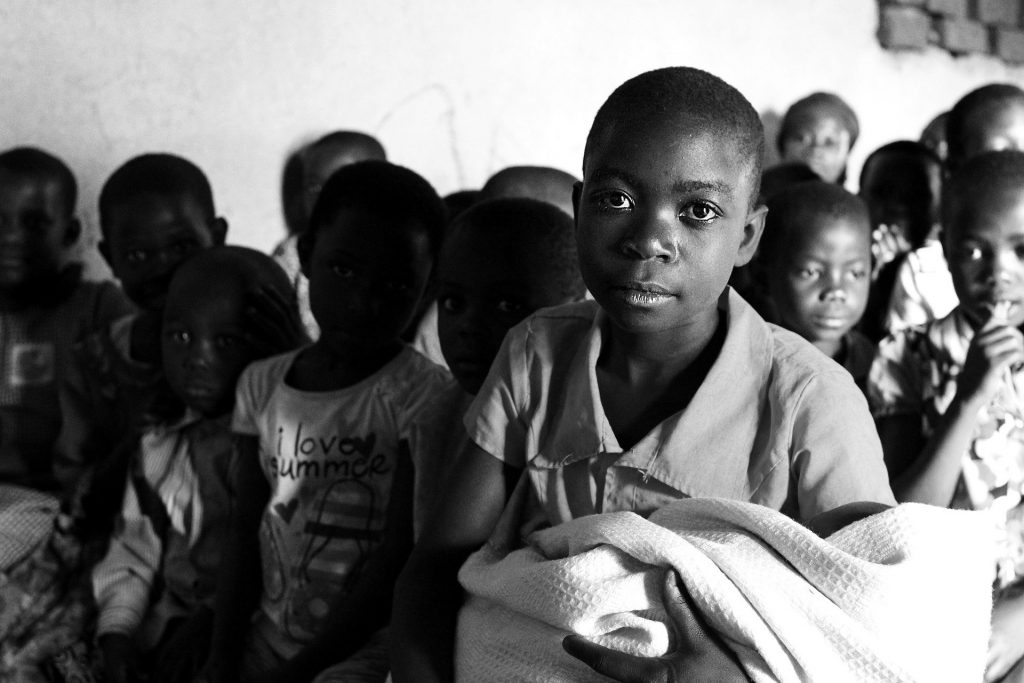
Restoration and rehabilitation for young mothers, and a ray of hope for new beginnings.
Read more →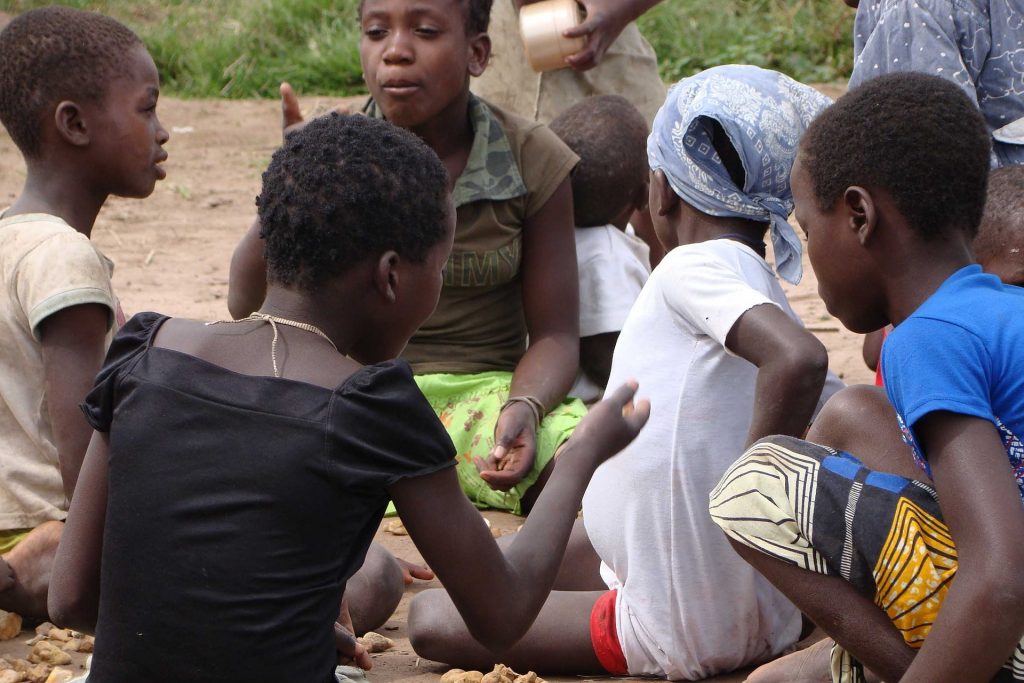
Helping young adults find purpose, resourcefulness, and a passion they can build a future on.
Read more →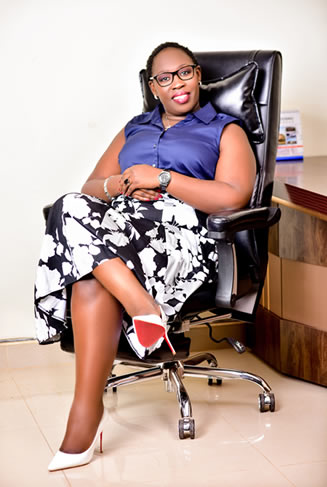
A letter from our CEO
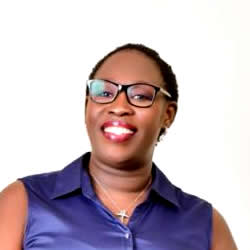
“I have worked tirelessly and it has always been a pleasure working with military wives, children and young mothers too, because all these are struggles I identify with, being a military wife myself. Together with our partners and donors, making a difference is our absolute objective.”
Governance

Picture gallery